How 3D Rendering Helps Project Managers Cut Errors and Save Money

Project managers in construction and design industries struggle with accuracy, efficiency and cost control daily. Traditional blueprints create confusion that leads to expensive mistakes and project delays. Advanced visualisation techniques help managers reduce risks and improve team communication. Resource allocation becomes more efficient when teams use these modern tools. Project management services Paarl work better with 3D rendering technology integrated into workflows.

Making Planning and Design More Accurate

Construction planning errors cause massive financial losses when teams discover them during building phases. RealRender3D data shows minor drawing mistakes or wrong material estimates trigger expensive delays. Project budgets increase while safety concerns compromise on-site efficiency levels. 3D rendering prevents these problems by letting managers examine designs before construction starts. Potential flaws and structural conflicts become visible long before breaking ground. Complex blueprints transform into clear, photorealistic models everyone can understand. Architects, engineers, contractors and investors share the same visual understanding. Project scope becomes clearer when stakeholders see realistic representations. Rapid development regions need this precision for infrastructure growth. 3D rendering South Africa supports expanding projects where team alignment matters most.

Saving Money Through Better Visualisation

Project management prioritises financial efficiency above many other concerns. 3D rendering helps achieve cost goals through complete building process visualisation. Quickviz reports show managers allocate resources better when they see everything beforehand. Structural conflicts get identified early, preventing expensive on-site modifications later. Research data indicates 3D visualisation reduces budget overruns by up to 25%. Traditional methods cannot match these financial savings consistently. Small developments benefit as much as large infrastructure projects. The investment in 3D rendering pays for itself through prevented mistakes.

Building Trust and Better Communication

3D rendering improves more than just technical accuracy and cost savings. Visual models enhance stakeholder communication according to Birkes Builders research. Clear, shared references help teams collaborate more effectively. Clients feel confident when they see realistic previews of finished projects. Contractors receive precise instructions that eliminate confusion and guesswork. Better communication reduces disputes between different project participants. Decision-making speeds up when everyone understands the visual plan. Project managers build trust by presenting detailed visualisations to stakeholders. Long-term industry success comes from this improved credibility and reliability.
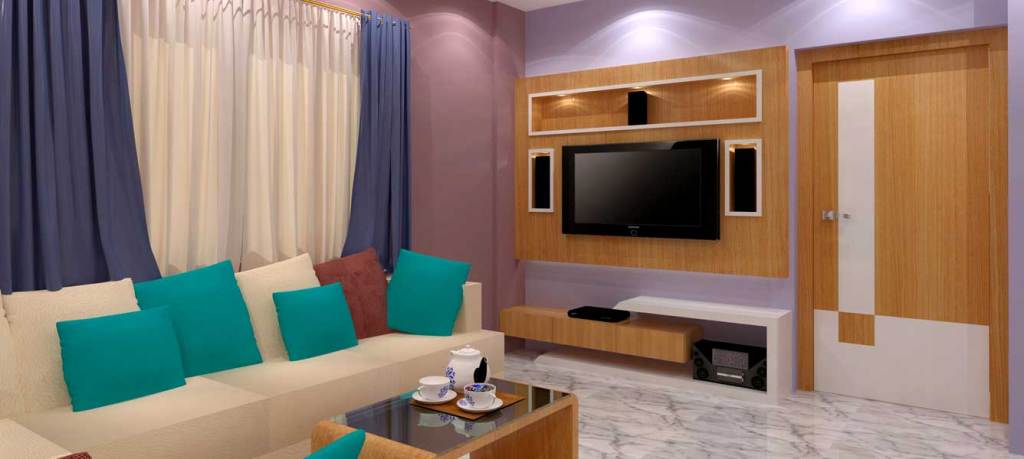
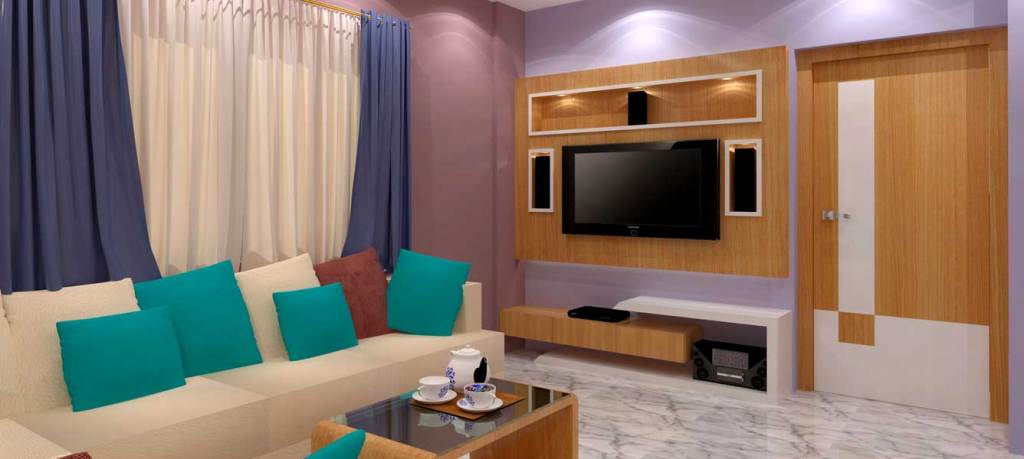
How 3D Rendering Transforms Interior Design Projects Today?

Interior design has changed completely since 3D rendering replaced old sketches with realistic images. Clients see exact room designs before builders start working on the actual space. This technology cuts mistakes by showing every detail clearly. Projects finish faster while spending less money on corrections.

Better Visual Details and Precise Results

3D rendering creates detailed room previews that help everyone understand the final design perfectly. 3D Rendering World research shows these digital models cut designer-client misunderstandings by 70%. People see actual materials, colours, and room layouts before construction starts. This accuracy prevents expensive mistakes during building phases. An interior designer Paarl shows clients different design choices through rendered images. Clients pick their preferred option without guessing how rooms will look.

Faster Project Management Systems

Rendering technology speeds up design work because designers change project elements instantly without delays. Inspiredesign confirms that current software lets professionals modify layouts, materials, and finishes immediately when ideas shift. Manual revisions that took hours now happen in seconds. Real-time flexibility matters most for large complex projects needing frequent updates. Client requirements change while structural needs evolve during planning phases. Teams test multiple decisions quickly since rendering keeps productivity levels high throughout.

Increasing Client Interest and Industry Expansion Designers use 3D rendering South Africa to explain complex ideas that clients cannot understand from flat drawings. Homeowners, investors, and project stakeholders see photorealistic images instead of confusing blueprints. These visual presentations help everyone grasp design concepts, room arrangements, and material selections instantly. Research shows 3D visualizations increase project approval rates by 40% during first meetings. Traditional 2D drawings cannot match this success rate in client presentations. The global 3D rendering market will exceed USD 9 billion by 2030 according to industry forecasts. Design firms worldwide adopt this technology to win more contracts and satisfy clients better.

Technology Reshapes Home Makeovers Through Virtual Interior Design

Home makeover approaches transformed completely with virtual interior design emergence. Sketches and blueprints no longer limit homeowners who want space visualisation. Digital tools enable real-time viewing of entire room designs now. Industry reports show the global interior design software market exceeded $4 billion in 2023. Steady growth projections reflect demand for immersive visualisation and cost-efficient planning solutions. Creativity gets redefined while design becomes accessible to households everywhere. Technology democratises professional design services across different economic backgrounds.

Digital Visualisation Tools Gain Momentum

Modern design practices centre around virtual reality (VR) and augmented reality (AR) platforms. Virtual tours let homeowners explore redesigned spaces before renovation commitments begin. Costly errors decrease when people see changes before construction starts. Autodesk studies reveal VR-based design reduces project revisions by nearly 30%. Time and money savings follow this technological implementation naturally. Interior design South Africa clients explore layouts matching local styles and global standards. Lighting experiments, furniture placement tests and colour palette trials exceed traditional sketch capabilities.

AI and Smart Technology Enter Home Styling

Virtual interior design increasingly incorporates artificial intelligence for better results. User preferences guide AI-powered platforms to generate tailored design suggestions automatically. Personalisation improves the entire design process for homeowners and professionals. 2025 reports indicate nearly 40% of design firms use AI-driven tools now. Workflow streamlining and client satisfaction enhancement result from this adoption. Smart decor applications connect with home automation systems seamlessly. Homeowners preview smart lighting and thermostat functions within redesigned spaces beforehand. Virtual interior design services expand rapidly across global markets. Remote collaboration with professionals becomes possible without geographical limitations. Curated design solutions reach clients anywhere through digital platforms.

Market Growth Spreads Globally Virtual interior design has a global appeal which extends past single regions or countries and is in fact a world wide phenomenon. In India we see real estate developers using immersive VR tours of fully furnished apartments which they are putting forward to prospective buyers which in turn allows them to see laid out designs, finishes and decor before anything is put in. Also at home in the US we are to see an increase in the use of very advanced online platforms which home owners are using to try out thousands of furniture and decor combinations which in turn they use to play with color schemes, try out space saving layouts and make purchase decisions via the computer. This trend we see as a global movement towards a design which is speedier, more interactive and totally device based.

The Power of 3D Rendering in Interior Design Marketing

Interior designers struggle to showcase their vision in today’s digital world. Sketches and 2D plans leave potential clients confused and unimpressed. Online audiences scroll past boring presentations without a second glance. 3D rendering changes everything for designers who want to succeed. Lifelike visualisations grab attention and communicate ideas instantly. Misunderstandings disappear when clients see exactly what they’ll get. Marketing campaigns become stronger with realistic design previews. An interior designer Paarl needs these tools to compete effectively. Photorealistic designs aren’t luxury anymore, they’re necessary for survival. The market demands visual excellence from every professional designer.

Building Trust with Realistic Visualisations

3D rendering creates realistic previews that clients love to see. Clear, photorealistic images reduce revisions and speed up approvals significantly. Clients feel confident when they visualise rooms before construction starts. Specific furniture, lighting and textures appear exactly as planned. Online portfolios showcase professionalism through these powerful visual pieces. Creativity shines through every rendered image designers share. Digital adoption grows rapidly across different regions worldwide. 3D rendering South Africa helps designers reach local and international clients. Trust builds naturally when clients see realistic representations. Marketing becomes easier with compelling visual content.

Creating Powerful Online Marketing Content

Digital spaces overflow with businesses fighting for client attention constantly. Interior design services need engaging content that captures interest immediately. 3D rendering produces immersive visuals for websites and social platforms. Virtual reality walkthroughs become accessible to everyday users now. CGI representations strengthen branding while reducing execution errors dramatically. Clients visualise final results before any physical work begins. An interior designer Paarl benefits from interactive 3D tours tremendously. High-quality renders attract hesitant clients better than flat sketches. Mood boards can’t compete with photorealistic project presentations. Paid advertising campaigns perform better with high-impact imagery. Click-through rates improve when visuals replace text-heavy posts. Engagement levels rise significantly with rendered content. Digital marketing conversions increase through strategic visual presentations.

Saving Money While Working Smarter

3D rendering offers practical benefits beyond beautiful aesthetics alone. Approval processes become streamlined when clients understand designs clearly. Construction surprises decrease because everyone knows what to expect. Workflows run smoother when visual communication eliminates confusion. Client confidence grows through transparent project presentations. Marketing strategies highlight these efficiency gains effectively. Designers position themselves as reliable problem-solvers who deliver results. Time and money savings appeal to competitive market segments. Online marketing messages emphasise professional reliability and cost-effectiveness. Trust develops when designers demonstrate clear value propositions. 3D rendering South Africa markets respond well to value-driven solutions. Cost-conscious clients appreciate fewer revisions and quicker approvals. Waste reduction becomes a compelling selling point digitally. Clear advantages emerge when promoting efficient design services online.

Reaching Global Audiences Through Digital Channels

Online marketing breaks geographic barriers for interior designers everywhere. High-quality 3D renders travel across Instagram, Pinterest and Behance easily. Houzz showcases allow designers to display portfolios globally. Diverse audiences connect with visual content regardless of location. Small-town professionals expand beyond traditional referral networks successfully. An interior designer Paarl can reach clients nationwide through rendering. Local business limitations disappear with digital marketing strategies. Project proposals use 3D rendering for maximum impact. Concept visualisations demonstrate modern, tech-savvy capabilities effectively. Digital showcases position designers as industry leaders. World-class results become achievable for any dedicated professional. Visually rich content ensures competitiveness in evolving markets. Clients expect cutting-edge presentations from serious designers today. Previously unreachable markets open up through digital channels.

The Impact of Technology on Wedding Band Design & Production

Technology has changed the methods used in wedding band design and production in recent decades. Both concept planning and final manufacturing now use tools that did not exist before. Modern practices make it possible to reach high accuracy and faster timelines compared to earlier manual work. Repairs, customizations, and design changes also happen with more ease today.

Advancements in Design Software

Computer-aided design (CAD) software created major progress in the jewelry field. Designers use CAD to build digital 3D models of wedding bands before touching metal or stones. By testing shapes, patterns, and choices on a computer, they correct mistakes without wasting any gold, platinum, or silver. Both customers and designers review and approve digital versions before actual production, improving satisfaction and minimizing returns. Complex custom orders, such as a ring for a unique fit or special engravings, now begin from accurate digital plans. This involvement allows couples to see and change details of their gold wedding band or other metal bands early in the process.

Precision Manufacturing Techniques

Production uses 3D printing and computer numerical control (CNC) machining for better results. In 3D printing, a machine builds a wax or resin ring model layer by layer, which sets the foundation for metal casting. This step lowers the chance for mistakes and reduces wasted material. CNC machines cut, shape, or engrave solid metal with very accurate measurements, often within less than .1 millimeter. Bands produced this way, whether from platinum or silver, match designer plans exactly. Even small letters or thin lines for laser engravings look clean because CNC machines follow the exact digital file.

New Materials and Finishing Techniques

Technology added advanced alloys and new surface finishes to the options for wedding bands. Advanced alloys, for example, make rings less likely to scratch or bend. Laser engraving allows jewelers to write names, messages, or patterns with high detail, even inside the band. Styles like the rose gold wedding band Canada are possible in many shades and finishes because of precise material mixing and surface technology. People can now select from many color and texture options, all produced with technical control that keeps quality high. Changes in technology improved nearly every part of how a wedding band moves from the first sketch to the final polished product. Quality control benefits from digital designs, and new machines bring creative ideas to life with consistent results. Couples and jewelers gain more choices and better reliability without waiting longer for their order.

Cultural Wedding Band Traditions around the World

Weddings take place in many countries and each region follows its own customs. Using a wedding band can mean different things depending on the area and history. This band acts as a common symbol, but wearing and exchanging it varies by culture, style, and meaning.

European and Western Influences

Western countries often ask couples to place the wedding band on the fourth finger of the left hand. This tradition links to the vena amoris, which means a vein that connects the finger to the heart. Ancient Rome gave origin to ring exchanges, and today’s practices have changed with time. Now, metals like gold, platinum, and other types are frequently chosen. Recent years saw demand for premium metals in men’s rings grow. Many pick the 18k gold wedding band mens design to follow tradition and show a high level of gold content. The 18k value means the ring includes 75% pure gold, offering strong quality and a greater weight.

Asian Wedding Band Traditions

Asia holds a wide mix of wedding ring habits. In China, exchanging rings did not form part of older wedding events; ceremonies and rituals were the focus. Modern Chinese weddings now often feature gold or other bands as part of the official process. Urban weddings in India bring in rings more now than before. Gold stays key in Indian weddings but often shows up in items besides rings. If wedding rings appear, these are sometimes more minimal in size or detail and worn on the right hand.A new trend in some Indian cities is choosing a 2mm 18k gold wedding band. This band merges gold’s role in tradition with narrow, simple shapes from Western influence.

Middle Eastern and African Perspectives

Middle Eastern events highlight gold in most celebrations. Dowries and gifts use golden pieces, making gold a symbol for wealth and status. Wedding bands there might be decorative, and finger choice may change by region. Sometimes, exchanging rings is not the main focus as other gifts and family acts take priority. African wedding customs do not always include ring exchanges, but many urban settings have started using Western ring habits. Local traditions still give more weight to group ceremonies or symbolic acts.

Evolution and Modern Influence

Modern designs, world trends, and combined styles cause changes in every tradition. Today, both a 2mm 18k gold wedding band and an 18k gold wedding band mens’ are found in many global markets. Despite these changes, most cultures value the wedding band as a key mark of union and respect between partners.

How Wedding Band Designs Have Evolved Over Time?

Learning about how wedding bands have changed helps us see shifts in history and what many couples currently prefer.

Early Wedding Bands: Simple and Symbolic

Long ago, people used to make wedding bands from hemp, leather, or iron, and these materials were basic and not for style. At first, the main reason for the band was to stand for the meaning of marriage, not the design. Later, gold and silver became the first choices because these metals last longer and look good, showing both strength and beauty. The design was thin and plain, with a round shape to explain the endless idea of marriage. Simple bands worked for everyday use, and they did not break easily. As time changed, new ideas came in, but the original simple style still stayed popular in many places.

The Rise of Ornate and Personalized Designs

In the 19th and 20th centuries, wedding bands started to feature fancy patterns and added decorative items. Patterns, engravings, and even gemstones began to show up on wedding rings more during this time. Couples started putting their initials, wedding dates, or special signs inside their rings, making the jewelry more custom. Factories made it easier and cheaper for many to get jewelry with fine details, especially after the Industrial Revolution. Cultural designs like Celtic knots and floral shapes started becoming popular styles in some areas. Men’s rings got new looks too, moving from plain bands to options like 18k gold ring mens, mixing long-lasting gold with a bit of style.

Modern Trends: Variety and Innovation

The past few decades have seen a big growth in ways to make wedding bands thanks to new tools and ideas. Designers can now use machines to cut metal very precisely, offering more mixed materials and different textures. A modern couple might select a 6mm gold wedding band, which gives a mix of strong look and classic gold. Popular choices now also include bands with mixed metals, dull surface finishes, or stones different from traditional gems. Previously, men wore plain rings, but now styles range from simple bands to rings with designs or details on the surface. Personalizing the ring is now common, with couples sometimes getting bands that fit their hobbies or daily life best. People care more about the source of the ring’s materials and look for bands that use ethical or sustainable methods. Today’s wedding bands come from simple ideas but now let couples show who they are through their chosen ring.

Common Mistakes That Damage Wedding Bands over Time

Wedding bands carry more than a simple design, as they represent lifelong promises and affection. When wearing such rings each day, it can be easy for anyone to forget that these bands are actually quite delicate. If people keep making mistakes or develop careless habits, their rings may lose their shine or even need pricey repairs. By knowing about these usual errors that harm wedding bands, you can help keep both their sparkle and strength for many years.

Exposure to Harsh Chemicals

A lot of individuals repeat the mistake of letting their wedding bands touch strong chemicals without thinking. Most cleaning liquids at home have chemicals inside them that eat away at metals and make ring settings weaker over time. There is a substance called chlorine, easily found in things like bleach and even swimming pool water, and it can badly affect metals such as gold and platinum. As a result, the wedding band might change color or the metal might even get damaged, changing the ring’s shape. When someone has a 14k gold wedding band set, they must remember that even though 14k gold is known for its strength, it still gets harmed by powerful chemicals. It is smart to remove wedding rings before doing cleaning or going into pools, which helps avoid this kind of chemical damage.

Wearing Rings during Physical Activities

Plenty of people do not think twice before wearing their wedding bands while working hard or moving around. Doing jobs like gardening, lifting heavy objects, or using tools with the ring on the finger can make scratches, crush marks, or even bend the band. Grinding the ring’s metal against tough or rough surfaces every single day slowly eats away at it, and this can also make stones or designs come loose. Even something thick like a 3mm gold wedding band looks strong, but when it gets hit or rubbed again and again, signs of damage start to show. The best method is to take off the ring during hard work or use special gloves, which keeps the band much safer.

Improper Cleaning and Storage Practices

Many rings get damaged because people do not use the right method to clean or store them. If someone uses rough things or harsh methods while polishing, it can scratch the band or remove the beautiful finish from the surface. There are some people who clean their rings with toothpaste or other things found at home, but they might not know this is much too harsh and will hurt metals or nice details. Using gentle soap with a soft towel, or a cleaner made just for jewelry, is the right way and keeps everything safe. It’s also wise to visit a jeweler now and then, as they can find little problems early, and fix them before they get worse. If wedding bands get stored in a bad way, this can also break or scratch them without anyone meaning to do so. When rings are kept inside a drawer or among other jewelry pieces, and they touch each other, little dents and marks will appear. Keeping each ring in its own soft section or a special ring box keeps them from getting scratched or knocked about. By following this easy habit, the ring stays in top condition and keeps looking beautiful.

Unique Customization Ideas for Wedding Bands

Couples now search for wedding bands that reflect both personal story and style preferences. Plain rings are no longer the only choice, as the level of customization available has grown. Options now let people highlight individuality, turning the band into both a daily piece and a symbol of commitment.

Engraving with Personal Touches

Custom engraving remains common for marking each ring with something special. Names and dates are basics, but many now add favorite quotes, shared nicknames, or GPS coordinates for a location that means something to both. Some bands include fingerprint etching on the outside or inside, which creates a ring pattern no one else can match. These added details increase the ring’s connection to its owner.

Incorporating Mixed Metals and Textures

Metalwork has moved past single color or standard finish in many custom bands. Designers use white, yellow, and rose gold together to create a look with more contrast and style variation. Finishes like hammered or brushed surfaces add different textures, meeting requests for something less polished and more organic in feel. For instance, a 14k gold mens wedding band 6mm could feature a brushed outer side and rose gold lining for combination appeal, using 58.3% gold in the alloy for strength and color.

Adding Meaningful Gemstones or Symbols

Inlaying gemstones in the band brings color and added meaning, and it is now popular to pick stones like sapphire, emerald, or a birthstone instead of or along with diamonds. Some bands feature one central gem, while others spread small stones across the surface as an accent. Couples may choose to add icons, such as a wave, a tree of life, or a Celtic knot, to summarize a shared goal or belief. Those wanting bigger width can try an 8mm wedding band made from tungsten, which may include a sapphire for a deep color contrast and higher hardness.

Customization in wedding bands puts focus on what matters to each pair, using materials, engraving, and stones to build a band tied to memory and meaning. Each design step, from metal mix to personalization, helps make the piece fit the story behind it.

Modern Minimalist Fashion Jewelry Trends

Minimalist fashion is all about clean lines, neutral colors, and understated yet elegant styles. Minimalist fashion is a matter of letting go of extra and concentrating on quality and usefulness. In more recent years, minimalist fashion has truly taken to the stratosphere and not only with garments but also with accessories, jewelry being a big part of the movement. Minimalist jewelry shows the essence of simplicity and sophistication without losing character. It tends to have dainty shapes, thin metals, and discreet details that add to an outfit without overpowering it.

Features of Minimalist Jewelry

Minimalist jewelry truly knows how to keep things simple and elegant completely looking cool and sophisticated. It tends to use thin bands, tiny pendants, and discreet textures. Gold, silver, platinum, and rose gold are popular materials used, making the jewelry classic in its appeal. The designs steer clear of too much embellishment and emphasize clean lines and accurate craftsmanship. A delicate gold chain with a tiny charm, a pair of dainty stud earrings, or a thin bangle is an example of the minimalist look. Rings are also favored in minimalist fashion, particularly plain bands or stack rings that give a layered effect without seeming cluttered. For those who adore really minimalist jewelry for their wedding day, wedding bands Montreal offers some really stylish, looking beautiful designs that completely harmonize with that style.

Why Minimalist Jewelry Is Trending?

There’s a new fashion trend emerging that displays gorgeous simplicity in jewelry, bro. Folks are just becoming more and more attached to simple things and things that actually last. They’re actually all about eco-friendly things and jewelry that’s just super dope and does things simply and with some amazing design. Yes, these fashionable fast fashion pieces tend to sort of get discarded quickly and they just become lost in a haze of obsolescence very quickly. Minimalist jewelry, on the other hand, lasts because it is simple and versatile. Its neutral colors and streamlined designs complement both casual and formal wear, enabling wearers to easily put together cohesive outfits.

When it comes to minimalist pieces, they are usually built from really high-quality materials that last a long time and are very durable, not cheap or flimsy. This emphasis on high quality over lots of stuff actually shows that consumers are really starting to carefully consider what they buy now. Many times, too, minimalist jewelry resonates with individuals on a very intimate level due to the fact that its simplicity truly allows the narrative and significance of the piece to speak for itself. A dainty necklace or studs may symbolize a treasured memory or bond. In engagements and weddings, minimalist styles have become popular. A wedding ring Montreal is the perfect example of this trend—simple, stylish, and deeply meaningful.

Minimalist Jewelry Styling Tips

Minimalist jewelry styling is all about balance and restraint. As these pieces are intended to be low-key, they are great with many an outfit and accessories. For a simple yet stylish look, a dainty gold chain or a minimalist small pendant necklace teamed with understated stud earrings will give a perfectly chic look. Layering an assortment of few minimalist pieces, however, is a good idea to provide layers without dominating the overall style. For instance, stacking slim rings or layering dainty, mixed metal bracelets gives a classy yet appealing appearance. Even simple jewelry pairs perfectly with formal fashion. Nothing dresses up an evening gown quite as well as a sleek pair of hoop earrings or a glimmering choker necklace to set it off nicely, without pulling too much spotlight and stealing the entire show. Minimalist design has become extremely popular when it comes to wedding jewelry. For the couples looking for understated chic, wedding bands Montreal are perfect for rings that are stylish-looking without being flashy or too gaudy. Similarly, beautifully designed wedding ring Montreal offers just the right proportion of simplicity and sophistication so that it will still be timeless decades later.