Category: Shopping

The Power of 3D Rendering in Interior Design Marketing

Interior designers struggle to showcase their vision in today’s digital world. Sketches and 2D plans leave potential clients confused and unimpressed. Online audiences scroll past boring presentations without a second glance. 3D rendering changes everything for designers who want to succeed. Lifelike visualisations grab attention and communicate ideas instantly. Misunderstandings disappear when clients see exactly what they’ll get. Marketing campaigns become stronger with realistic design previews. An interior designer Paarl needs these tools to compete effectively. Photorealistic designs aren’t luxury anymore, they’re necessary for survival. The market demands visual excellence from every professional designer.

Building Trust with Realistic Visualisations

3D rendering creates realistic previews that clients love to see. Clear, photorealistic images reduce revisions and speed up approvals significantly. Clients feel confident when they visualise rooms before construction starts. Specific furniture, lighting and textures appear exactly as planned. Online portfolios showcase professionalism through these powerful visual pieces. Creativity shines through every rendered image designers share. Digital adoption grows rapidly across different regions worldwide. 3D rendering South Africa helps designers reach local and international clients. Trust builds naturally when clients see realistic representations. Marketing becomes easier with compelling visual content.

Creating Powerful Online Marketing Content

Digital spaces overflow with businesses fighting for client attention constantly. Interior design services need engaging content that captures interest immediately. 3D rendering produces immersive visuals for websites and social platforms. Virtual reality walkthroughs become accessible to everyday users now. CGI representations strengthen branding while reducing execution errors dramatically. Clients visualise final results before any physical work begins. An interior designer Paarl benefits from interactive 3D tours tremendously. High-quality renders attract hesitant clients better than flat sketches. Mood boards can’t compete with photorealistic project presentations. Paid advertising campaigns perform better with high-impact imagery. Click-through rates improve when visuals replace text-heavy posts. Engagement levels rise significantly with rendered content. Digital marketing conversions increase through strategic visual presentations.

Saving Money While Working Smarter

3D rendering offers practical benefits beyond beautiful aesthetics alone. Approval processes become streamlined when clients understand designs clearly. Construction surprises decrease because everyone knows what to expect. Workflows run smoother when visual communication eliminates confusion. Client confidence grows through transparent project presentations. Marketing strategies highlight these efficiency gains effectively. Designers position themselves as reliable problem-solvers who deliver results. Time and money savings appeal to competitive market segments. Online marketing messages emphasise professional reliability and cost-effectiveness. Trust develops when designers demonstrate clear value propositions. 3D rendering South Africa markets respond well to value-driven solutions. Cost-conscious clients appreciate fewer revisions and quicker approvals. Waste reduction becomes a compelling selling point digitally. Clear advantages emerge when promoting efficient design services online.

Reaching Global Audiences Through Digital Channels

Online marketing breaks geographic barriers for interior designers everywhere. High-quality 3D renders travel across Instagram, Pinterest and Behance easily. Houzz showcases allow designers to display portfolios globally. Diverse audiences connect with visual content regardless of location. Small-town professionals expand beyond traditional referral networks successfully. An interior designer Paarl can reach clients nationwide through rendering. Local business limitations disappear with digital marketing strategies. Project proposals use 3D rendering for maximum impact. Concept visualisations demonstrate modern, tech-savvy capabilities effectively. Digital showcases position designers as industry leaders. World-class results become achievable for any dedicated professional. Visually rich content ensures competitiveness in evolving markets. Clients expect cutting-edge presentations from serious designers today. Previously unreachable markets open up through digital channels.
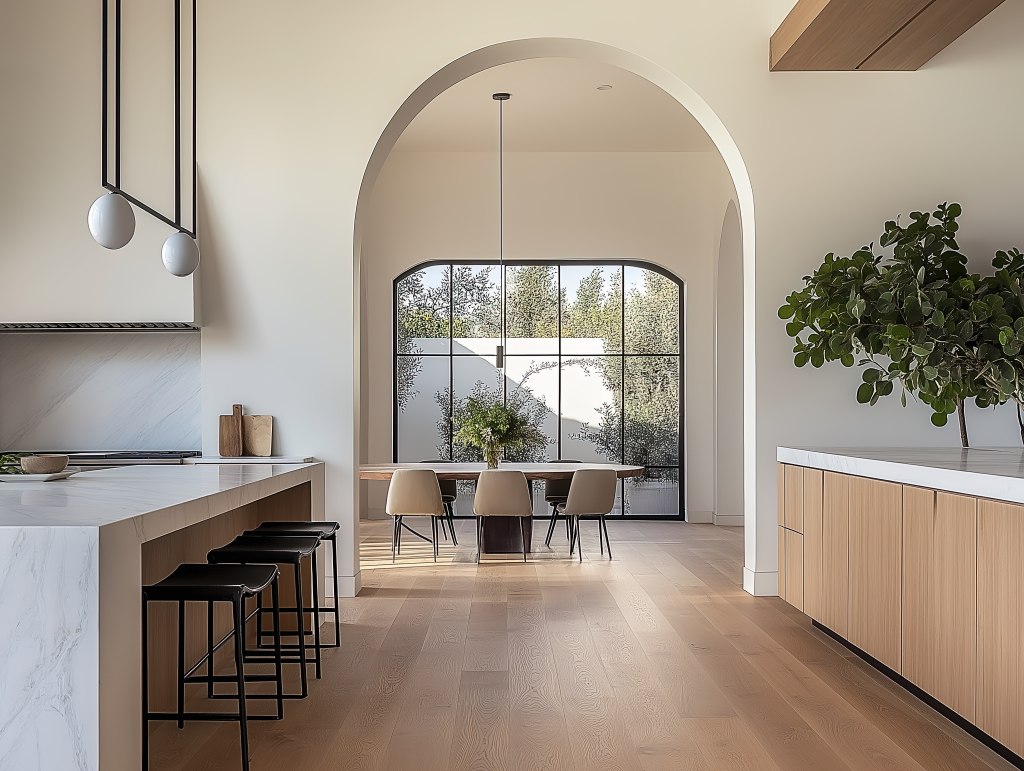
https://s.mj.run/VLUDWtcXvL0 A modern kitchen with wood floors, white walls, and an arched doorway leading to the dining room in a luxury modern farmhouse-style home. A large archway leads into the open plan of the kitchen with, arched coffee corner, and kitchen island with calacatta quartzite. The color palette is neutral with greenery, and the space is filled with natural light from the windows. The decor is modern, with clean lines and soft lighting, in the style of Takeshi Murata –chaos 10 –ar 4:3 –style raw –profile 26jmb7w –stylize 500 –v 6.1 Job ID: 805a423a-3c2b-4e3e-9e1f-286de2527cea

The Journey from Mood Boards to 3D Models in Virtual Interior Design

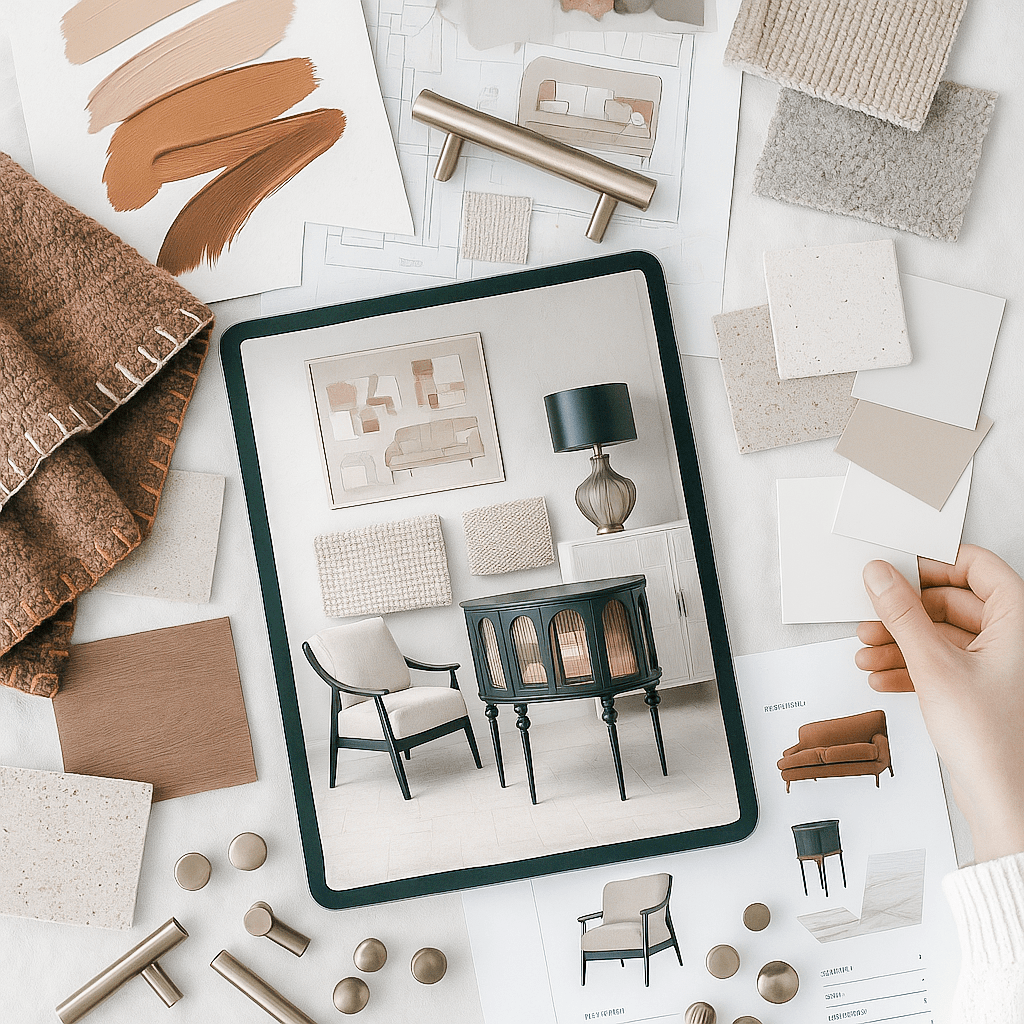
Interior design transforms imagination into physical spaces people can enjoy. Designers used mood boards with fabric swatches, magazine cutouts and paint samples for decades. These collages showed design concepts but clients struggled to visualise finished rooms. The industry changed when digital tools arrived on the scene. Professionals now create immersive 3D models instead of static boards. This shift changed how designers present ideas to their clients. Clients experience designs differently through these new technologies. Design services reach more people across different regions now. Interior design South Africa benefits from these technological advances too.

The Mood Board Period

Mood boards gained popularity during the mid-20th century for organising creative ideas. Digital tools hadn’t transformed design workflows at that time yet. Designers combined textures, colours, swatches, photographs and themes using hands-on methods. These visual narratives captured the emotional intent of each space. Aesthetics communication happened through these boards before technical planning began. Conversations sparked and shared visions developed between designers and clients. Industry surveys from 2024 show nearly 60% of clients struggled with spatial interpretation. Mood boards alone couldn’t help them understand room layouts properly. Hand sketches, technical notes and verbal explanations supplemented these boards regularly. Misinterpretation and unrealistic expectations still occurred despite these efforts. Mood boards set project tones and narrowed conceptual directions effectively. Emotional alignment between designers and clients grew from these foundations. Many design processes still include mood boards as creative starting points. Advanced tools now pair with boards rather than replacing them completely.

Moving Towards Digital Visualisation

Computer-aided design (CAD) emerged in the 1980s as the first digital breakthrough. Manual design communication methods began shifting towards technological solutions. Precision, repeatability and shared digital language transformed professional workflows significantly. AutoCAD and SketchUp became widely adopted by the early 2000s. Designers created accurate two-dimensional layouts, elevations and detailed plans. Clients understood measurements, furniture placement and room proportions more clearly. Errors reduced while efficiency improved across the design industry. Flat drawings still lacked the immersive quality clients wanted though. Depth, ambiance and completed space feelings remained difficult to express. CADD Centre studies from 2025 highlight 40% reduction in project approval times. Digital layouts and dimensions helped clients understand designs without extensive interpretation. Global adoption of these tools democratised design services everywhere. Remote collaboration opportunities opened between designers and clients worldwide. Virtual interior design services bridged geographical gaps in the industry. Digital visualisation prepared the foundation for three-dimensional interactive environments.

3D Models Take Centre Stage

Three-dimensional visualisation defines modern interior design practices and client expectations today. Ideas transform from concepts to reality through advanced rendering technologies. Designers showcase realistic textures, lighting effects and fabric finishes before construction. Material behaviour, shadows and spatial arrangements appear in lifelike detail. Clients walk through virtual rooms instead of imagining design possibilities. Furniture layouts rotate while colour palettes display at life scale. Arcadium 3D platforms report over 70% increase in client satisfaction rates. Lifelike space previews reduce anxiety about major design decisions significantly. Cost-effectiveness improves through reduced need for physical prototypes. Design revisions decrease while costly misunderstandings become rare occurrences. Interior design South Africa professionals compete globally using 3D modelling technology. Small studios present world-class visual communication matching international standards. VR, AR and AI-driven customisation continue evolving these tools further. 3D modelling remains central to interior design innovation moving forward.

Virtual Design Creates Global Access

Virtual platforms democratise interior design through evolutionary technological advances. Cloud-based tools and virtual reality headsets enable digital space exploration. Clients walk through designs from anywhere in the world now. Accessibility increases demand for virtual interior design services across regions. Physical consultations become less necessary in limited-access areas. Debora Interiors’ 2025 report shows virtual walkthroughs cut decision-making time by half. Projects move forward faster with these efficient communication methods. Designers collaborate seamlessly across international borders through digital platforms. Interior design becomes a truly global profession through technology. Artificial intelligence integration enhances models with predictive capabilities. Client preferences get predicted while design modifications happen in real time.

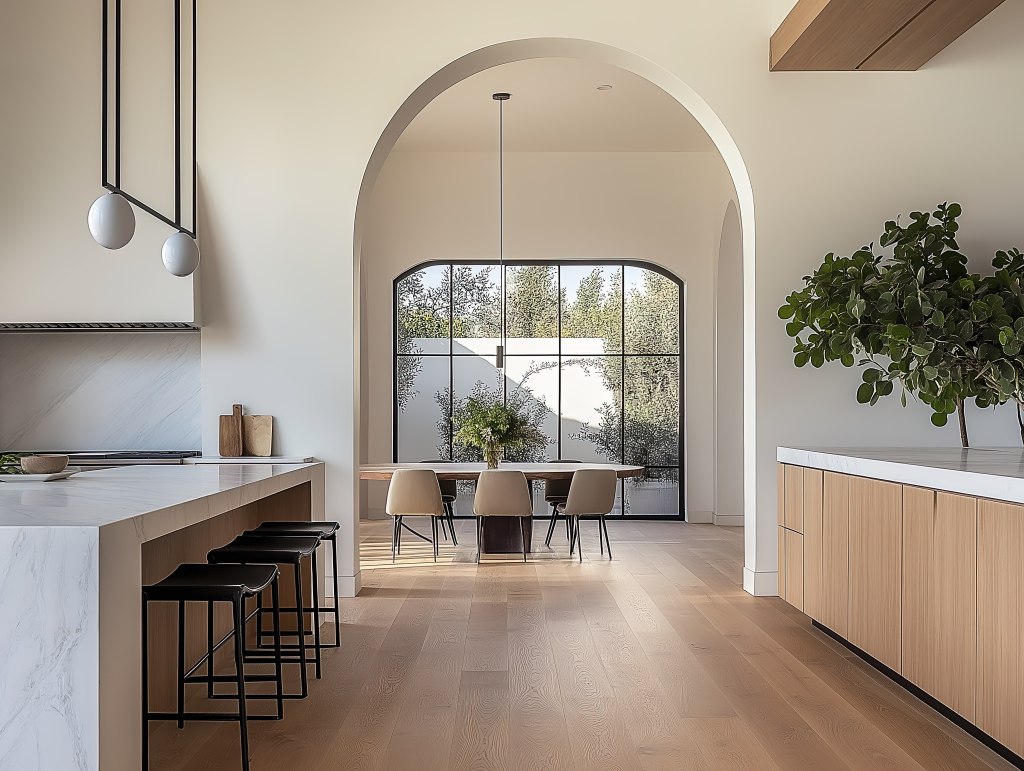
https://s.mj.run/VLUDWtcXvL0 A modern kitchen with wood floors, white walls, and an arched doorway leading to the dining room in a luxury modern farmhouse-style home. A large archway leads into the open plan of the kitchen with, arched coffee corner, and kitchen island with calacatta quartzite. The color palette is neutral with greenery, and the space is filled with natural light from the windows. The decor is modern, with clean lines and soft lighting, in the style of Takeshi Murata –chaos 10 –ar 4:3 –style raw –profile 26jmb7w –stylize 500 –v 6.1 Job ID: 805a423a-3c2b-4e3e-9e1f-286de2527cea

How 3D Rendering Transforms Construction Project Management Today

Construction projects grow more complex every year. Teams need powerful tools to handle design, planning and execution phases. 3D rendering technology changes how we visualise and manage construction work. Digital models show realistic building representations before construction starts. This technology prevents mistakes and helps teams communicate better. Project workflows become smoother when everyone sees the same vision. Construction managers spot problems early and test different materials digitally. They evaluate design options without spending money on physical prototypes. South Africa’s construction industry evolves rapidly with these tools. Companies providing project management services Paarl use 3D technology to meet deadlines. Projects stay within budget while maintaining quality standards. The cost of 3D rendering drops each year. Small residential projects now benefit from tools once reserved for massive developments. Commercial and industrial sectors embrace this technology too. Construction teams work differently because of these digital advances.

Making Designs Visible and Precise

3D rendering creates precise visualisations of architectural plans. Industry reports confirm that 3D visualisation helps architects find design problems early. Projects using 3D rendering reduce design errors by up to 40%. Time and money savings follow naturally. Stakeholders walk through virtual buildings before construction begins. Design intentions match client expectations when everyone sees the same model. Teams model lighting, materials and structural systems with exact detail. Interior layouts come to life in ways traditional drawings cannot show. The technology provides realistic scale perception. 3D rendering South Africa markets value this precision for residential developments. Commercial projects benefit equally from clear visualisations. Design risks drop when firms adopt 3D modelling tools. Projects move from concept to completion without major surprises. Developers save money while clients get exactly what they expect.

Building Better Team Collaboration

Construction projects involve architects, engineers, contractors and clients working together. Poor communication between these groups causes delays. Budget overruns happen when teams misunderstand each other. 3D rendering gives everyone the same realistic project view. Research shows collaborative visualisation tools improve stakeholder alignment by nearly 60%. All parties interact with identical digital models. This shared view reduces disputes between team members. Assumptions become clear when everyone sees the same thing. Decision-making speeds up significantly. Interactive models let teams explore potential problems together. Construction phases become easier to plan. Design questions get answers without waiting for paper drawings. Verbal explanations become unnecessary. Companies offering project management services Paarl report better workflows with 3D visualisation. Client trust grows when transparency increases. Complex design elements become simple to understand. Real-time modifications keep everyone informed. Feedback happens instantly through the digital model. Projects finish on schedule because teams stay aligned. Budgets remain under control throughout the project lifecycle.

Making Planning and Execution Smoother

3D rendering helps with more than just design work. Real-time data integrates into rendered models for better planning. Construction teams simulate actual site conditions digitally. Material usage calculations become more precise. Timeline forecasts improve with visual planning tools. Construction management journals report significant improvements. Projects using 3D visualisation complete planning cycles up to 25% faster. Traditional methods cannot match this efficiency. Labour costs decrease when planning improves. Resource allocation becomes more strategic. 3D rendering South Africa adoption helps contractors manage infrastructure projects. Environmental standards become easier to meet. Regulatory compliance improves with better visualisation. Execution matches the original plan more closely.

Cutting Costs While Boosting Efficiency

Construction budgets suffer when errors occur during building. Delays drain resources quickly. Miscommunication creates expensive problems. 3D rendering catches issues before physical work begins. Reports indicate early conflict detection reduces project costs by 10-15%. Design conflicts disappear when teams spot them digitally. Realistic models help clients approve designs faster. Design revision delays become rare. Project management services Paarl providers see direct benefits. Cost reductions combine with happier clients. 3D rendering drives success in modern construction. Efficiency gains make projects more profitable.

Understanding 190 Proof Ethanol and 200 Proof Ethanol

Ethanol, also called alcohol, is used across medical, food, and industrial applications. Terms like “190 proof ethanol” and “200 proof ethanol” appear but cause confusion often. Clear understanding of these terms explains their separate properties and applications in daily use.

What Is 190 Proof Ethanol?

The word “proof” in ethanol defines its alcohol content strength in percentage. Proof is calculated by doubling the alcohol by volume, also called ABV. In United States, 190 proof ethanol equals 95% ethanol by volume solution. This ethanol form is mostly used in industry and laboratories for various processes. It is not consumed as drink but works in fuel, disinfectants, and manufacturing.One reason industries prefer 190 proof ethanol is due to small water retention. The presence of 5% water keeps stability and avoids extreme volatility problems. That water content supports handling in sanitizer production and chemical preparation.

What Is 200 Proof Ethanol?

In that case instead, 200 proof ethanol is of a 100% pure form with no water content. The 200 proof ethanol’s primary value is in very specific application of absolute purity. It is in the pharmaceutical industry that does not tolerate even trace impurities in a product. Also it is a key component in laboratories that require chemical reactions to run without interference from water or other substances. In that regard 190 proof ethanol, from which 200 proof is produced, is not at all used for fuel or hand sanitizer production because of 200 proof ethanol’s high cost and special handling requirements.

Knowing the grade of ethanol available in 190 proof and in 200 proof is important to choose the right one for the job. While 190 proof ethanol, having a greater degree of purity and a little water for stability, is applied in many uses, 200 proof ethanol, being absolutely pure, is applied for very specific purposes. In industry, science, and manufacturing both of these play large roles.

Organic Cane Alcohol vs. Organic Grain Alcohol for Tinctures: What You Should Know

When making tinctures the choice of alcohol is a primary element in the quality and success of the final product. In the case of organic cane alcohol that is a popular choice for tinctures due to its natural base and delicate sweetness. Made from sugarcane this alcohol is what some in the sustainable health practices community turn to. Also free of synthetic additives organic cane alcohol does a great job at getting out the active elements of the herbs. Also it’s smooth taste that is almost a little sweet works great for tinctures that are taken by the drop or mixed in drinks also does very well with herbs that may be too bitter or pungent.

Many herbalists report that they use organic cane alcohol that improves tincture taste and in turn makes them more palatable at the same time does not alter the herbal essence. Also this gentle profile is very much so appreciated when the tincture is used regularly for wellness. Also it is brought to notice that the production of organic cane alcohol is that it is done in an environmental friendly way and adds to its appeal to health conscious consumers.

Why Choose Organic Grain Alcohol for Tinctures?

Organic grain alcohol from corn, wheat and other grains is a very popular choice in the herbal community. Known for high alcohol content and neutral flavor, grain alcohol reports better extraction results. It’s high proof that in turn is great at bringing out a wide range of plant elements including alkaloids, essential oils and other medicinal components. Also because of this grain alcohol’s preeminence in the field of herbal extraction it is often used with harder herbs like roots and barks.

Unlike that of cane alcohol that has a sweet note and flavor, organic grain alcohol does not add any of its own flavor to the tincture. This makes it a great option for tinctures where the original herby qualities are the focus. Also grain alcohol is a very effective preservative that in turn extends the life of the tincture and maintains its potency over time.

Making the Right Choice

The choice between organic cane alcohol and organic grain alcohol depends on tincture use and preference. For tinctures taken often by mouth, cane alcohol with mild sweet profile is chosen. When tinctures need strong potency or longer shelf life using woody herbs, grain alcohol becomes efficient.

How to Make RSO with Extractohol?

Rick Simpson Oil what most know as RSO has caught on for what is says it does, that is for medical use. Many are into how to prepare RSO at home and they can do this with the use of Extractohol a very high proof grain alcohol available in almost any store. The process puts the alcohol to work removing the cannabinoids from the cannabis plant, and in turn a very strong oil is obtained that is used for health issues.

First up in the process of making RSO with Extractohol you will do the prep work that includes gathering all required ingredients and equipment. You’ll need top quality cannabis that is very rich in THC and Extractohol that will be used as the solvent. Also note to have proper ventilation as it is a must in this process because of the flammable alcohol. Also grind the cannabis fine to increase the surface area for the best results, and in turn it will improve the extraction. Then once that is done put the cannabis in the Extractohol and let the alcohol do the work of dissolving the cannabinoids.

After steeping the mixture, the plant matter is separated out from the liquid that at this stage also includes the extracted cannabinoids. This stage requires patience as the goal is to remove all the plant material. Once there is essentially plant material free liquid then the alcohol has to be very carefully evaporated out. Double boiler is a recommended method of heating and in turn it also helps to avoid the use of direct flames. As the alcohol evaporates the result is a thick sticky oil that is known as Rick Simpson Oil.

How to Make RSO without Alcohol?

Some people ask how to make RSO without alcohol due to restrictions or preferences. The alcohol-free approach uses heat and pressure for cannabinoid extraction from cannabis. One replacement method is mechanical rosin pressing applied to cannabis plants. This technique combines high heat with strong pressure to squeeze resin out. The end product is concentrated oil like RSO but created without alcohol. Another option is infusion with oil as the carrier medium. Here, coconut oil or another carrier oil is heated with cannabis. Heat activates and moves cannabinoids into the oil during long cooking hours. This produces cannabis oil, though less concentrated than alcohol-extracted RSO. Still, it works as a safe and simple method for home making. Learning RSO with Extractohol and RSO without alcohol provides useful flexibility. Each process gives benefits depending on strength desired or resources available. Strong concentrate requires alcohol, but gentler infusion fits different household needs. Safety and compliance with local regulations remain essential during either approach.

The Evolution of Photography in South Africa: From Film to Digital

In South Africa, the first photography was seen in the mid-19th century. The earliest portrayals were mostly ethnographic and anthropological, depicting the society living under colonial rule. The 1940s and 1950s saw the height of film photography’s participation in the two recording worlds of cultural life and political struggles. The resistance movements in which documentary photographers using film cameras took part have gone down in history. Their capturing of “everyday realities” led to the making of archives that are still essential today.

Transition to Digital Technology

The 1990s became a watershed decade when digital cameras were first imported to South Africa. The process was such that light change to electronic signals, and there were no chemicals needed for the processing and instant viewing of pictures was possible. Digital technology really opened up studio photographer Randburg and, thus, it is referred to as the democratization of photography over and above being a shift made by the professionals only. It was the low cost of digital equipment and mobile phones that became the main drivers of the digital era. At the beginning of the 2000s, there was already the beginning of the replacement of the film negatives with the digital archives that guaranteed easy storage and distribution.

Photography in the Contemporary Era South Africa’s photographic universe today shows a mix of the past and the future in a very innovative and ingenious way. Social media and digital channels have increased the exposure of the local product photographer Randburgwho are presenting the different aspects of their work, from landscapes to fashion and documentaries, to viewers all over the world. Besides keeping the historic film collections, which are still quite numerous, university and cultural institutions are also very active in the area of digital experimentation and innovation.

Product Photography: Challenges and Rewards

In the present digital economy, product photography is an essential element of e-commerce and marketing. It is estimated that 75% of online shoppers depend on product pictures in making their decisions, and visual quality can raise the conversion rates up to 30%. This turns the photography of products from artistic expression into a task that is crucial for the business.

The Difficulties of Product Photography

One of the main difficulties of product photography lies in obtaining uniformity among hundreds of articles. Research suggests that 22% of product returns are attributed to the item not looking as it was presented in the online image. Hence, lighting, angles, and color accuracy have to be carefully monitored. For a Randburg photographer, this is often the case that he has to buy equipment of the kind of diffusers, macro lenses, and calibrated monitors, among others, to achieve the standard accuracy.

The Benefits of Professional Product Photography

The challenges are truly there, and yet the rewards are also immense. As the reports from the industry are saying, companies that hire professional product photography services are likely to get up to 40% more digital engagement. Strong, clear images create a bond of trust, lower the return rate, and give the brand the opportunity of being more credible. The companies looking for product photography Johannesburg will not only see the improvement in sales figures but also benefit regarding their SEO rankings, since quality and relevance of images are among the factors that search engines use when determining the rank of a site.

Market Growth and Opportunities The worldwide photography market has not only been growing but its major contribution has come from e-commerce which has been the main driver of demand. The product photography market was worth more than $3 billion in 2024 and it will be growing steadily according to the projections. One of the areas where photographers can make their mark in the future is product categories, such as fashion, electronics or lifestyle products.

Street Photography in Johannesburg: Capturing Everyday Life

Johannesburg, the largest city in South Africa, is frequently characterized as the country’s economic core and cultural center. The metropolitan area which houses more than 5.6 million people, it gives street photographers a lot of chances to take pictures of unrehearsed scenes of daily life.

The Pulse of the City

The dynamic environment of Johannesburg favors street photography. The city’s pavements are alive with vendors, people going to and from the office, and entertainers which tells a steady stream of human stories. Urban studies reveal that more than 800,000 people each day enter the central business district which is why it is considered one of the most vibrant urban places in Africa. People in search of a photographer near me can find the skilled local artists in the different neighborhoods of Johannesburg, who are professionals in portraying those daily stories with their cameras, very much alive.

Randburg and Surrounding Neighborhoods

Randburg, standing in the northern suburbs, is indeed the main site for the street capture of life. Plus it is still a place of both the modern and the ancient ways of life, because of having lively shopping plazas along with street trading spots that have been around for a long time. Just a photographer in Randburg can, plan a trip to capture the scenes of weekend markets, families, and street performers and thus become part of South Africa’s larger urban culture.

Cultural Layers in Everyday Scenes Street photography in Johannesburg has not only to deal with human beings but also with buildings and public art. Streets and neighborhoods of such places as Maboneng and Braamfontein are adorned with murals that express identity and history as the colonies’ buildings still stand beside the modern towers. These opposite characters speak the tales of the city’s transformation and its resilience against difficulties.

The Psychology behind Wearing Bold Jewelry

Jewelry is associated with one’s identity and personality. The bold jewelry ultimately relates to unconscious psychological needs in our minds that are always present. According to professional fashion, the extravagant jewelry gives a push to individual self-esteem and makes one feel like a winner. Researchers Ogden back in 1992 and Evans in 1989 revealed some very interesting meanings of jewelry. These ornaments tell very deep emotional stories that have been humanly ever since the dawn of time.

Jewelry as a Statement of Identity

Big jewelry pieces tell everyone about the wearer’s strongest personality traits clearly. Psychologists discovered that huge rings and thick chains show personal creativity outside. Dramatic earrings help individuals display their assertiveness to the whole world effectively. A Cuban necklace represents strength because its heavy links look incredibly durable always. Research data proves that extroverted people buy statement jewelry more than others. Scientists found real connections between personality types and jewelry selection patterns everywhere.

Social Status, Emotional Investment &the Power of Bold Jewelry For thousands of years, jewelry has been used to signal social status – big pieces meant you were rich and powerful. Large pieces make this status connection much stronger than small ones do. Jaggi and Bahl discovered in 2019 that jewelry marks social rankings clearly. Bigger designs help people look more authoritative in professional and social settings. Bold jewelry holds emotional memories from important life moments and personal victories too. Special women bracelets with unique designs celebrate meaningful occasions in visible, impactful ways.